
OSIMERTINIB


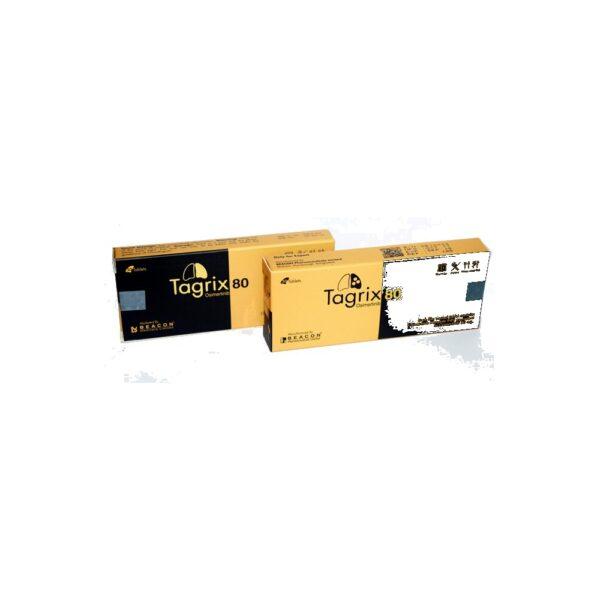

About Osimertinib
Osimertinib — third-generation EGFR tyrosine kinase inhibitor
Osimertinib is an oral targeted medicine for non-small cell lung cancer whose tumour carries a specific EGFR mutation. It is used only where that mutation has been confirmed by testing.
How Osimertinib works
It binds irreversibly to mutated forms of the epidermal growth factor receptor, including the T790M change that makes earlier EGFR inhibitors stop working. It was designed to spare wild-type EGFR, which is why the skin and gut effects typical of the older inhibitors are generally less pronounced. It also crosses into the central nervous system better than earlier agents in its class.
What it is licensed for
EGFR-mutation-positive non-small cell lung cancer — as first-line treatment for exon 19 deletions or exon 21 L858R substitutions, and after progression on an earlier EGFR inhibitor where the T790M mutation is present. Also as adjuvant treatment after resection in EGFR-mutated disease.
How it is taken
An oral tablet taken once daily, with or without food, continued while it remains appropriate. Dosage must be determined by a qualified healthcare provider.
What your prescriber monitors
ECG for QT interval; cardiac function, including ejection fraction where indicated; and any new or worsening breathlessness or cough, which is assessed for interstitial lung disease. Left ventricular ejection fraction is measured at baseline and periodically where cardiac risk exists. Electrolytes, particularly potassium and magnesium, are corrected because depletion worsens QT prolongation. Chest imaging is arranged promptly if respiratory symptoms emerge.
Important cautions and interactions
Interstitial lung disease is uncommon but serious, and new respiratory symptoms are investigated rather than waited out. QT prolongation means care with other QT-prolonging medicines. Reduced cardiac contractility has been reported. Strong CYP3A4 inducers lower blood levels. It can harm a developing baby, so contraception is required during treatment and for a period afterwards.
Where Osimertinib sits in its class
EGFR inhibitors arrived in three generations: gefitinib and erlotinib bind reversibly, afatinib and dacomitinib bind irreversibly across the receptor family, and osimertinib binds irreversibly while sparing wild-type EGFR. That last property is why its skin and bowel effects are generally less pronounced than the earlier agents, and why it retains activity where the T790M resistance mutation has appeared.
What to expect in the first weeks
Skin and nail changes, loose stools, mouth soreness and reduced appetite typically appear in the first month and are largely manageable with early treatment — ask for a plan before they start rather than after. An ECG is usually repeated in the early weeks. Any new cough, breathlessness or fever needs same-day contact, because interstitial lung disease is the effect that must be excluded quickly.
Before you start Osimertinib
Bring the report identifying your tumour's EGFR mutation, and any earlier EGFR inhibitor you have taken with the reason it was stopped. Tell the team about heart rhythm problems, a long QT interval, or heart failure, and list medicines that prolong the QT interval. Mention any existing lung disease, and report new breathlessness, cough or fever the same day rather than at the next appointment.
Generic Osimertinib and Tagrisso
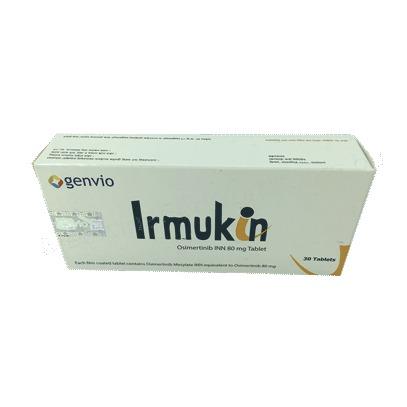
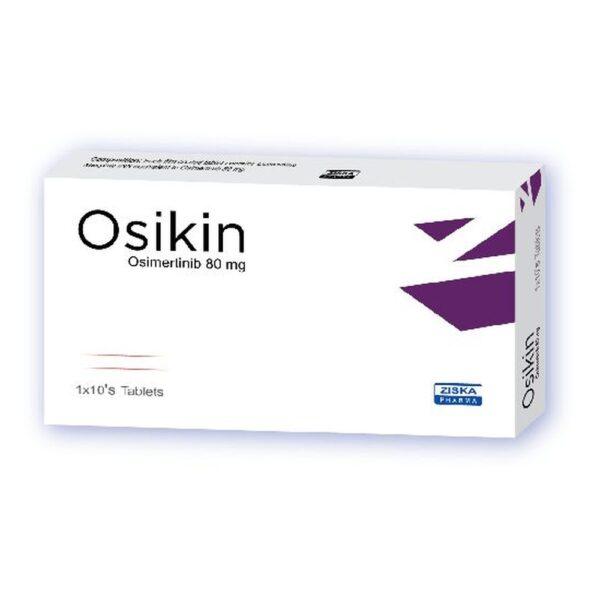
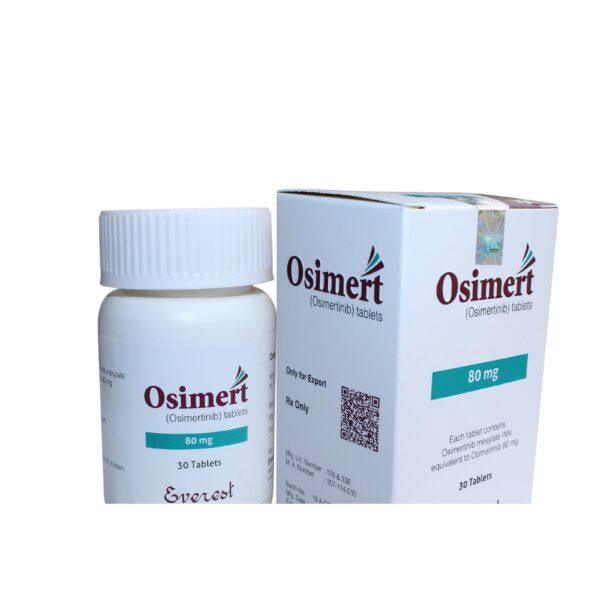
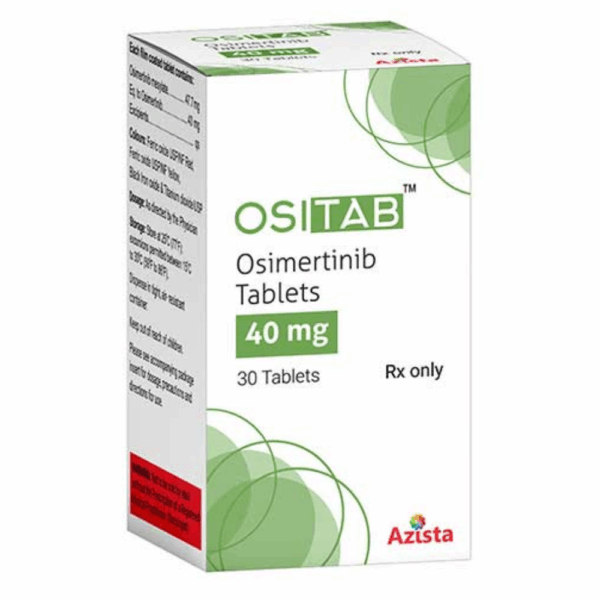
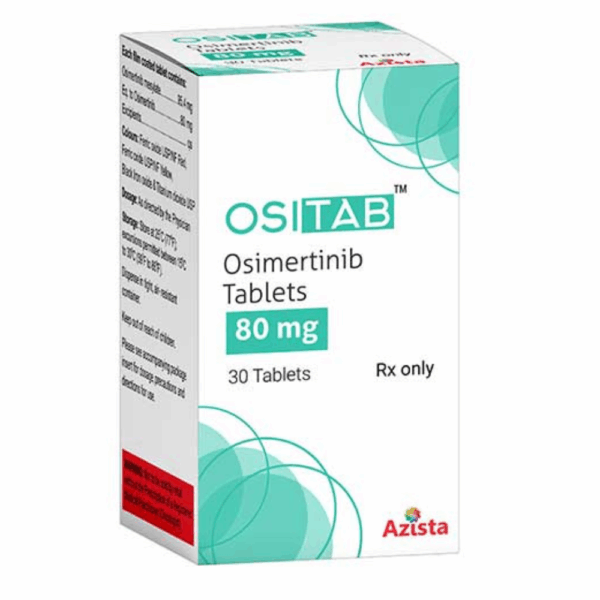
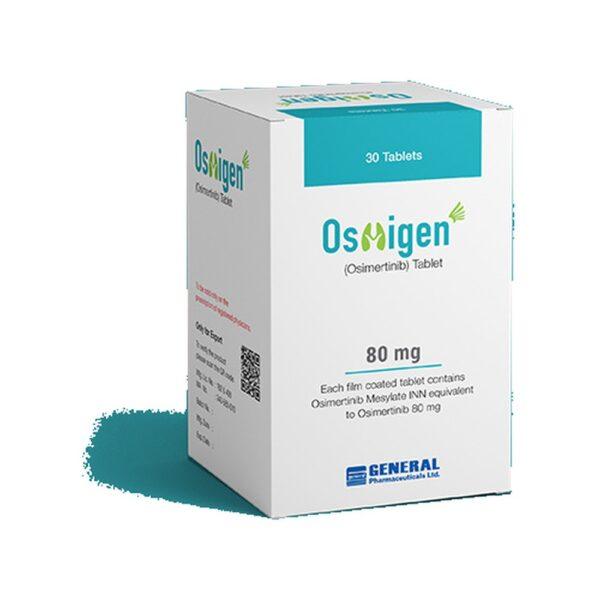
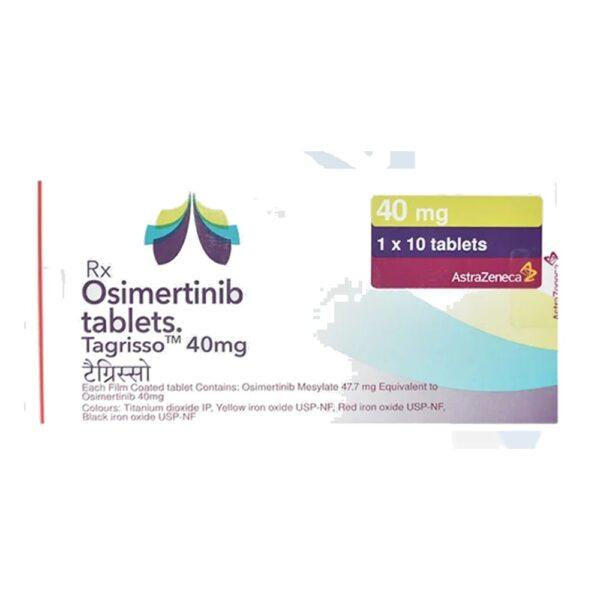
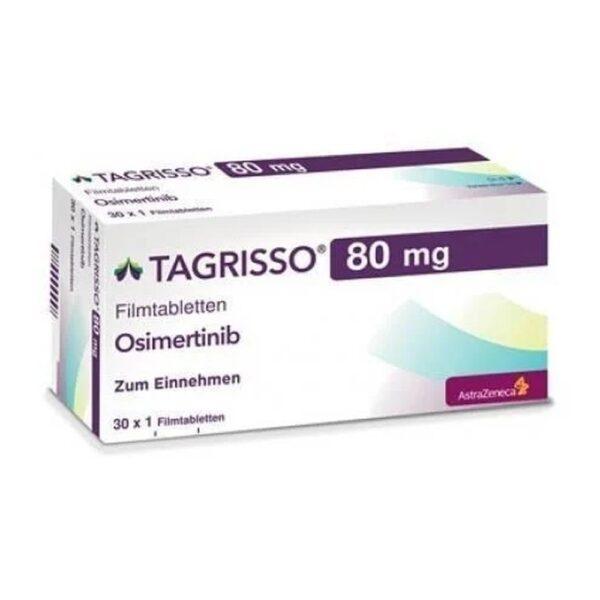
Generic Osimertinib contains the same active ingredient as Tagrisso®, produced by licensed pharmaceutical manufacturers. The brand name and the price differ, not the molecule.
Read our full guide: Generic Tagrisso (Osimertinib)
Osimertinib is a prescription-only medicine. A valid prescription is required and every order is reviewed by a licensed pharmacist before dispatch. Used as prescribed by a licensed medical professional.
Frequently asked questions
Why does osimertinib need EGFR testing first?
It is licensed for tumours carrying particular EGFR mutations, and it acts on the mutated receptor. Where those mutations are absent the target is not what is driving the tumour, so molecular testing of the tumour decides whether the medicine is appropriate.
What is the T790M mutation and why does it matter?
T790M is a change in EGFR that commonly appears after treatment with an earlier EGFR inhibitor and stops that inhibitor binding effectively. Osimertinib was designed to bind despite it, which is why testing is repeated when an earlier medicine stops working.
Why are breathing symptoms reported urgently on osimertinib?
Interstitial lung disease is an uncommon but serious effect of this class. New or worsening breathlessness, cough or fever is assessed promptly rather than monitored at home — contact your oncology team the same day.
Do I need a prescription to order Osimertinib?
Yes. Osimertinib is a prescription-only medicine. Upload a valid prescription at checkout — every order is reviewed by a licensed pharmacist before dispatch.
Browse by condition
Last updated: October 3, 2026

Medically reviewed by
Nancy Kapadia
Nancy Kapadia is a licensed clinical pharmacist with 10 years of experience. She holds a B.Pharm from Baba Farid University. At OnlineMeds, she reviews medicine and health content to help ensure it is accurate, evidence-based, and easy to understand.