
Febuxostat
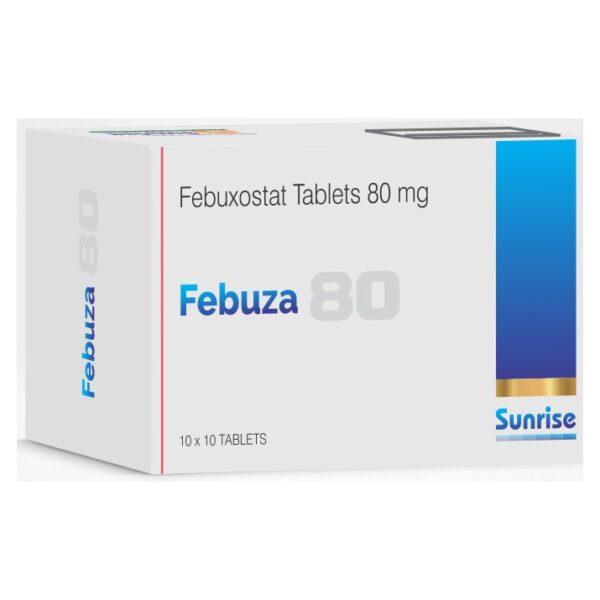
About Febuxostat
Febuxostat — non-purine selective xanthine oxidase inhibitor
Febuxostat is an oral medicine that lowers uric acid in the blood, used for long-term management of gout. It is a preventive treatment, not something taken for a flare.
How Febuxostat works
It inhibits xanthine oxidase, the enzyme that converts purines to uric acid, so less uric acid is produced. Lowering the blood level over months allows existing urate crystal deposits to dissolve gradually. It is structurally unrelated to allopurinol, which is why it is an option for people who cannot take that medicine.
What it is licensed for
Chronic hyperuricaemia in conditions where urate deposition has already occurred, including a history of tophi or gouty arthritis.
How it is taken
An oral tablet taken once daily, with or without food, continued long term. Dosage must be determined by a qualified healthcare provider.
What your prescriber monitors
Serum uric acid to confirm the target is reached; liver function tests, especially early in treatment; and cardiovascular risk factors. Renal function is followed, since gout and chronic kidney disease frequently coexist. Blood pressure and lipids are reviewed given the cardiovascular question, and adherence is confirmed before concluding that a target has not been met.
Important cautions and interactions
Regulators have flagged a cardiovascular safety signal relative to allopurinol, so it is used with particular care in established heart disease or stroke. Gout flares can increase when treatment starts, as deposits begin to mobilise — this is expected and does not mean the medicine is failing, and prescribers often cover the first months with anti-inflammatory or colchicine prophylaxis. It interacts with azathioprine and mercaptopurine, a combination normally avoided. Purine-rich foods, beer and fructose-sweetened drinks raise urate independently of medication, so diet is reviewed rather than ignored once treatment begins.
Where Febuxostat sits in its class
Urate-lowering treatment divides into medicines that reduce production — febuxostat and allopurinol, both xanthine oxidase inhibitors — and those that increase excretion, such as probenecid or sulfinpyrazone. Febuxostat is metabolised mainly by the liver rather than cleared by the kidneys, which is why it is sometimes considered where renal function limits the alternatives; that judgement, and the cardiovascular question, belong to your prescriber.
What to expect in the first weeks
Uric acid falls within about two weeks, and a blood test around then confirms whether the target has been reached. Paradoxically, flares may become more frequent during the first three to six months as older deposits break down — prophylaxis is usually prescribed to cover that window. Liver enzymes are checked early. Rash, joint pain, headache and nausea are the commonly reported effects.
Before you start Febuxostat
Say whether you have had a heart attack, stroke, heart failure or any established heart disease, because the cardiovascular safety signal shapes the decision. Mention liver disease and any previous reaction to allopurinol. Critically, tell your prescriber if you take azathioprine or mercaptopurine — that combination is normally avoided outright — and ask what to take if a flare happens in the first months.
Generic Febuxostat and Adenuric
Generic Febuxostat contains the same active ingredient as Adenuric®, produced by licensed pharmaceutical manufacturers. The brand name and the price differ, not the molecule.
Febuxostat is a prescription-only medicine. A valid prescription is required and every order is reviewed by a licensed pharmacist before dispatch. Used as prescribed by a licensed medical professional.
Frequently asked questions
Can febuxostat be taken during a gout attack?
It is a long-term urate-lowering medicine, not a treatment for the pain of an acute flare — those are managed with anti-inflammatories, colchicine or steroids. Your prescriber decides whether to start or continue febuxostat during a flare.
Why did my gout get worse after starting febuxostat?
Flares can increase in the first months as existing urate deposits start to dissolve and mobilise. It is a recognised effect of starting urate-lowering treatment, which is why cover with an anti-inflammatory or colchicine is often prescribed alongside. Discuss it rather than stopping.
How does febuxostat differ from allopurinol?
Both lower uric acid by inhibiting xanthine oxidase, but they are chemically unrelated, so febuxostat is an option where allopurinol is not tolerated. Regulators have also raised a cardiovascular safety signal for febuxostat relative to allopurinol, which is part of the prescribing decision.
Do I need a prescription to order Febuxostat?
Yes. Febuxostat is a prescription-only medicine. Upload a valid prescription at checkout — every order is reviewed by a licensed pharmacist before dispatch.
Browse by condition
Last updated: October 3, 2026

Medically reviewed by
Mahesh Gupta
Mahesh Gupta is a licensed clinical pharmacist with 15 years of experience. He holds a B.Pharm and M.Pharm from LN Mithila University. At OnlineMeds, he reviews medicine and health content to help ensure it is accurate, evidence-based, and easy to understand.