
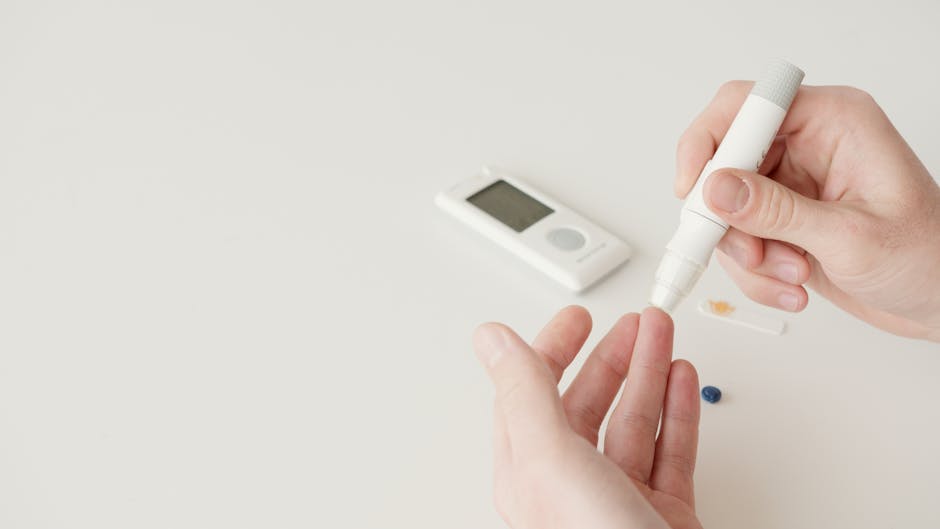
What are GLP-1 agonists and how do they mimic natural hormones?
In recent years, the landscape of type 2 diabetes management has been entirely reshaped by a class of medications known as GLP-1 receptor agonists. Semaglutide is currently the most prominent and widely discussed medication within this class. To understand why semaglutide has been so revolutionary, we first need to look at how the body naturally responds to food.
When you eat a meal, your intestines release several hormones that signal to your brain and pancreas that food is being processed. One of the most important of these hormones is Glucagon-Like Peptide-1, or GLP-1. In a healthy body, natural GLP-1 is incredibly efficient but very short-lived. It does its job and is rapidly broken down by an enzyme called DPP-4 within a matter of minutes. However, in people with type 2 diabetes, the natural production of GLP-1 is often diminished, leading to poor blood sugar regulation after meals.
Semaglutide is a synthetically engineered version of the human GLP-1 hormone. It is designed to be highly resistant to the enzyme that breaks down natural GLP-1. Because it resists breakdown, a single dose of injectable semaglutide remains active in the body for an entire week. This provides continuous, steady hormonal signalling that essentially corrects the underlying deficit seen in type 2 diabetes. By acting as a long-lasting ‘agonist’—meaning it activates the GLP-1 receptors just like the natural hormone would—semaglutide restores the body’s ability to properly respond to the intake of food.
The dual mechanism of blood sugar control
The primary clinical goal of semaglutide is to improve glycaemic control, which means keeping blood sugar levels within a safe and stable range. It achieves this profound effect through two primary mechanisms that work in concert.
First, semaglutide acts directly on the pancreas. When blood sugar levels rise after eating, the medication stimulates the beta cells in the pancreas to produce more insulin. Crucially, this insulin release is ‘glucose-dependent.’ This means the medication only tells the pancreas to release insulin when blood sugar is high. Once the blood sugar returns to normal, the insulin secretion naturally slows down. This is a massive safety advantage over older diabetes drugs like sulphonylureas, which force insulin out regardless of blood sugar levels and frequently cause dangerous low blood sugar (hypoglycaemia).
Second, semaglutide simultaneously suppresses the release of another pancreatic hormone called glucagon. Glucagon normally tells the liver to release stored glucose into the bloodstream to prevent blood sugar from dropping too low. In type 2 diabetes, the liver often inappropriately dumps glucose into the blood even when levels are already high. By suppressing glucagon, semaglutide stops the liver from adding unnecessary sugar to the system. The combination of boosting insulin when needed and halting excess glucose production results in remarkably stable and lowered blood sugar levels, often bringing patients’ HbA1c back into target ranges.
The connection between semaglutide and significant weight loss
While semaglutide was developed to treat diabetes, its most widely publicized effect is its ability to induce substantial weight loss. For decades, many diabetes medications actually caused weight gain, which frustrated patients and exacerbated the underlying metabolic issues. Semaglutide completely reversed this trend.
The weight loss effect is primarily driven by how GLP-1 receptors operate in the brain and the digestive tract. In the brain, particularly in the hypothalamus, GLP-1 receptors regulate appetite and satiety (the feeling of fullness). Semaglutide directly stimulates these receptors, effectively telling the brain that the body is full. Patients consistently report a dramatic reduction in food cravings, a diminished interest in high-fat or sugary foods, and an ability to comfortably eat much smaller portions.
Furthermore, semaglutide slows down gastric emptying. This means that food literally stays in the stomach longer after a meal. This delayed emptying physically contributes to the sensation of being full and prevents rapid spikes in blood sugar by allowing carbohydrates to be absorbed more slowly into the bloodstream. When combined, the central appetite suppression and the delayed gastric emptying create a powerful, sustainable caloric deficit that leads to weight loss that most patients struggle to achieve through diet and exercise alone.
Navigating common side effects like nausea and digestion changes
Because semaglutide profoundly alters how the digestive system operates, the majority of its side effects are gastrointestinal in nature. When a patient first starts the medication, their stomach and brain are not accustomed to the strong GLP-1 signals. This adaptation period is where side effects are most common and most noticeable.
The most frequently reported side effect is nausea, which affects a significant portion of patients, particularly in the days following the first few doses. Other common issues include vomiting, diarrhoea, constipation, and acid reflux. The delayed gastric emptying can sometimes cause a feeling of bloating or fullness that is uncomfortable. To minimize these effects, the medication is always started at the lowest possible dose. The dose is then very gradually increased over several months—a process known as titration—allowing the body to slowly build a tolerance to the drug.
Patients can also actively manage these side effects by altering their eating habits. Eating large, heavy, or high-fat meals will almost certainly exacerbate nausea and bloating while on semaglutide. Eating small, frequent, bland meals, eating slowly, and stopping as soon as the first signal of fullness registers are the most effective ways to navigate the titration period. For the vast majority of patients, these side effects are temporary and subside significantly once they reach their maintenance dose.
Injectable versus oral formulations: what to expect
For many years, the defining characteristic of GLP-1 agonists was that they had to be injected. The GLP-1 molecule is a large peptide (a small protein), and if taken orally, the harsh acids and enzymes in the stomach would instantly digest it long before it could be absorbed into the bloodstream. The development of a once-weekly injection (such as Ozempic) was a major convenience over daily injections, but it still posed a barrier for patients with needle phobias.
In a major pharmaceutical breakthrough, researchers developed an oral formulation of semaglutide (marketed as Rybelsus). They achieved this by pairing the semaglutide molecule with an absorption enhancer (SNAC) that temporarily buffers the stomach acid and allows the large molecule to pass directly through the stomach lining into the blood. This made oral semaglutide the first and only pill in the GLP-1 class.
However, the oral formulation comes with strict administrative rules to ensure it works. It must be taken daily, on a completely empty stomach, with no more than four ounces of plain water. The patient must then wait a full thirty minutes before eating, drinking anything else, or taking any other medications. Even a small violation of these rules will completely prevent the pill from being absorbed. The choice between the weekly injection and the daily pill usually comes down to patient preference: the strict routine of the pill versus the convenience (but physical act) of the weekly pen injection.
Cardiovascular benefits beyond blood sugar reduction
As the long-term data on semaglutide accumulated, researchers uncovered a benefit that changed international treatment guidelines. Studies demonstrated that semaglutide does not just lower blood sugar; it actively protects the cardiovascular system. In large-scale clinical trials involving patients with type 2 diabetes who were at high risk for heart disease, semaglutide significantly reduced the incidence of major adverse cardiovascular events, such as heart attacks and strokes.
The exact mechanism behind this cardiovascular protection is still being investigated, but it is believed to be multifactorial. The medication clearly reduces known risk factors: it lowers HbA1c, promotes significant weight loss, and mildly lowers blood pressure. However, there is also evidence suggesting that GLP-1 agonists may have a direct anti-inflammatory effect on the blood vessels, helping to stabilize the plaques that cause heart attacks.
Because cardiovascular disease is the leading cause of morbidity and mortality in people with type 2 diabetes, this protective effect is incredibly important. Many cardiology and endocrinology guidelines now strongly recommend prescribing a GLP-1 agonist like semaglutide specifically for its heart-protective benefits, even if the patient’s blood sugar is already well-controlled on other medications.
Long-term safety considerations and who should avoid it
While semaglutide is generally safe and highly effective for the majority of patients with type 2 diabetes, it is not appropriate for everyone. There are specific contraindications and rare risks that must be considered before starting therapy.
The most absolute contraindication involves a rare type of thyroid cancer. Semaglutide has caused medullary thyroid carcinoma (MTC) in animal studies. While it is not known if this translates to humans, the medication is strictly contraindicated in anyone with a personal or family history of MTC, or those with Multiple Endocrine Neoplasia syndrome type 2 (MEN 2). Patients are advised to report any new lumps or swelling in the neck to their doctor immediately.
Additionally, because semaglutide stimulates the pancreas, there is a small risk of acute pancreatitis (inflammation of the pancreas). Patients with a history of pancreatitis should use this medication with extreme caution, if at all. Severe, unrelenting abdominal pain that radiates to the back is a classic symptom of pancreatitis and requires immediate medical attention. Finally, patients with severe gastroparesis (a condition where the stomach empties very slowly) may find that semaglutide exacerbates their condition unacceptably due to its mechanism of delaying gastric emptying.
Discussing treatment goals with your endocrinologist
The introduction of semaglutide has elevated the goals of diabetes management. We are no longer just aiming to lower a number on a lab report; we are aiming to promote significant weight loss, reduce the risk of heart attacks, and fundamentally improve the patient’s metabolic trajectory.
If you have type 2 diabetes and are struggling with weight management, or if you have a history of cardiovascular disease, semaglutide may be a powerful addition to your treatment plan. However, it requires commitment. It is not a temporary weight-loss drug; it is a chronic medication designed for long-term use. If you stop taking the medication, your appetite will return, the weight will likely be regained, and your blood sugar control will deteriorate.
When discussing semaglutide with your doctor, be transparent about your lifestyle, your willingness to manage the initial gastrointestinal side effects, and your preference between a daily strict pill routine or a once-weekly injection. By aligning the therapy with your personal goals and habits, you and your healthcare team can maximize the profound benefits this modern medication offers.
This article is for informational purposes only and is not a substitute for medical advice from a licensed healthcare professional. Always consult your doctor or pharmacist before starting, changing, or stopping any medication.
Simran Jha is a licensed clinical pharmacist with 17 years of experience. She holds a B.Pharm and M.Pharm from Dr. YSR University of Health Sciences. At OnlineMeds, she reviews medicine and health content to help ensure it is accurate, evidence-based, and easy to understand.