
Generic Iressa (Gefitinib)
Same active ingredient — gefitinib — as Iressa®, at a substantially lower price. Produced by licensed pharmaceutical manufacturers.
The same active ingredient, without the originator price
Generic gefitinib is the equivalent of branded Iressa® — not a different medicine, and not a “knockoff.”
Any switch between brand and generic should be discussed with your prescribing doctor. Reference prices are indicative public list prices and vary by market.
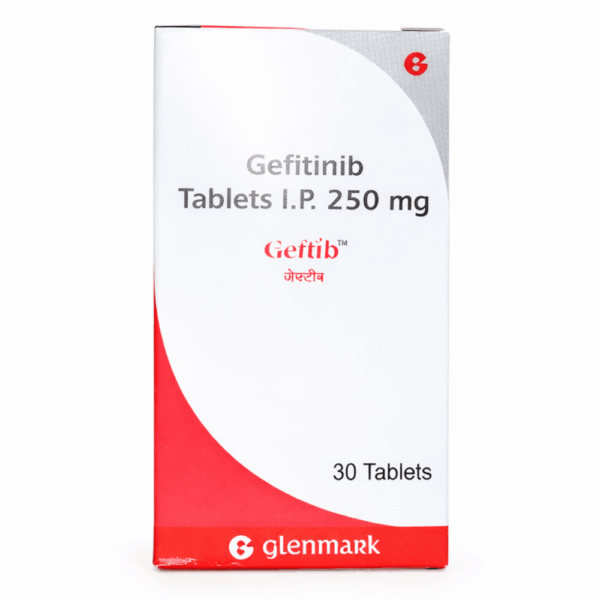
Available generic gefitinib options
Every option contains gefitinib and requires a valid prescription. Grouped by strength.
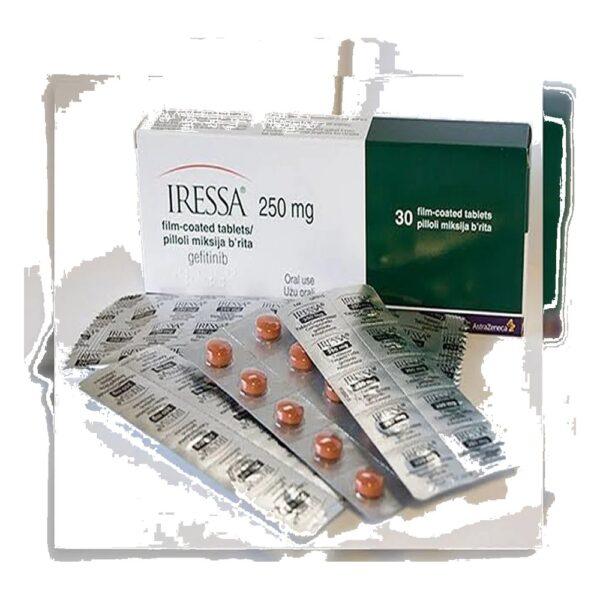
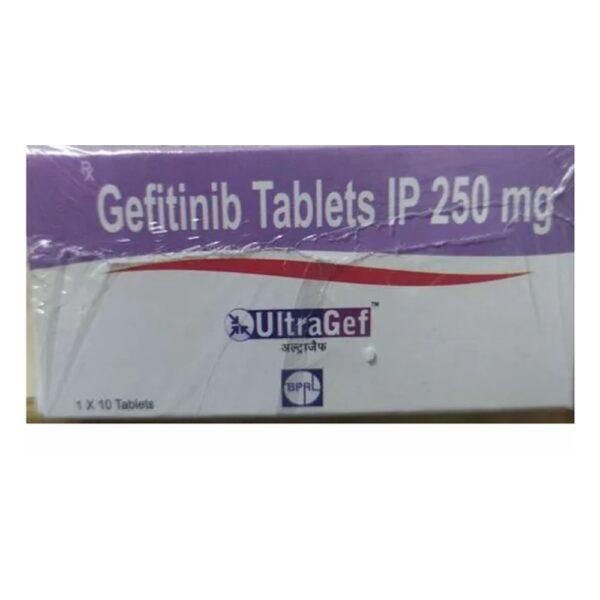
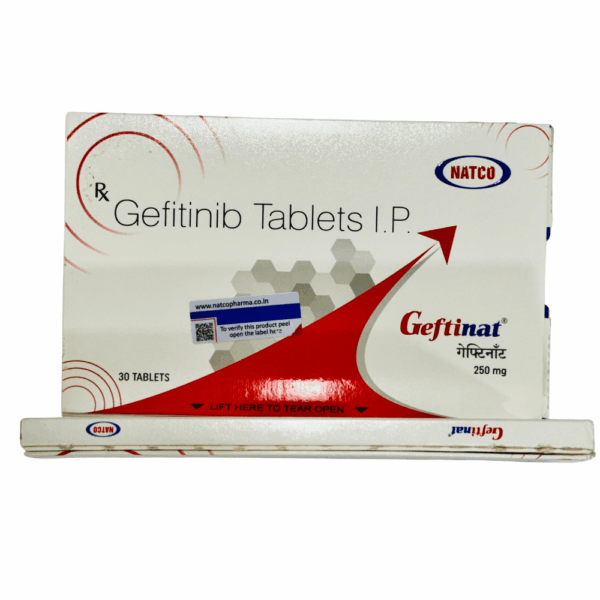
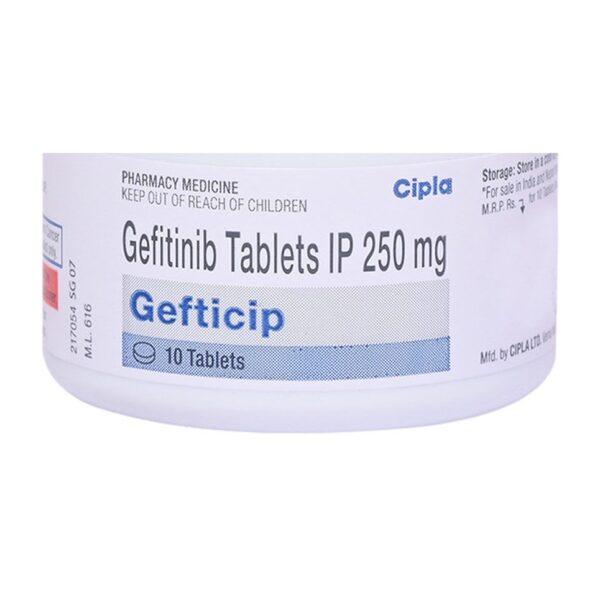
Availability varies by destination. All options are dispatched after pharmacist review of your prescription.
What Iressa® typically costs — and the generic alternative
Typical branded reference prices by market, next to our generic gefitinib price.
| Market | Branded Iressa® — reference price | Generic gefitinib — OnlineMeds |
|---|---|---|
| United States | ~$7,000+ / month (brand) branded list price |
from
$33.00 / tablet
tracked worldwide shipping · Rx required
|
| United Kingdom | ~£2,000 / month branded list price |
from
$33.00 / tablet
tracked worldwide shipping · Rx required
|
| Australia | ~A$3,000 / month branded list price |
from
$33.00 / tablet
tracked worldwide shipping · Rx required
|
Reference prices are indicative public list prices for the originator brand. Prices vary by destination & quantity — not a promised discount.
Gefitinib, explained simply
Written and reviewed by our pharmacist team. Informational only — your doctor directs your treatment.
Gefitinib is the active ingredient in Iressa®, AstraZeneca's EGFR inhibitor for EGFR-mutation-positive non-small cell lung cancer. Generic gefitinib contains the same active ingredient at the same strength and is produced by licensed pharmaceutical manufacturers. For patients paying out of pocket, the generic can cost significantly less than the originator brand. Used as prescribed by a licensed medical professional.
Iressa® is the originator brand name for gefitinib, developed by AstraZeneca. It is a targeted oncology therapy prescribed in the management of non-small cell lung cancer whose tumours carry activating EGFR mutations. As a prescription-only medicine, it is used under the supervision of a qualified oncologist, who will confirm that your tumour carries a relevant EGFR mutation before treatment.
Gefitinib belongs to a class of medicines called tyrosine kinase inhibitors. It targets the EGFR protein signal that can drive the growth of certain lung-cancer cells. By blocking this signal, it is used as part of a treatment plan directed by your oncologist. It is intended for tumours that carry specific EGFR mutations, which is why molecular testing is performed first.
Gefitinib is prescribed for adults with non-small cell lung cancer whose tumours carry specific EGFR mutations, as confirmed by molecular testing. Your oncologist decides whether it is appropriate based on your diagnosis, mutation status, prior treatments, and overall health.
Gefitinib is commonly prescribed as one 250 mg tablet once daily, taken at about the same time each day, with or without food. If a tablet cannot be swallowed whole, the patient leaflet describes how it may be dispersed in water. Your oncologist may pause treatment or adjust your care based on tolerability and any side effects.
Never change your dose on your own.
Reported side effects of gefitinib may include skin rash (often acne-like), diarrhoea, dry skin, and changes in liver function tests. Less commonly, effects on the lungs (such as interstitial lung disease) can occur, which is why your oncologist monitors you and asks you to report new breathlessness, cough, or fever promptly.
Report new or worsening symptoms to your doctor promptly. This is not a complete list — see the patient information leaflet.
Store as directed on the patient information leaflet, usually at room temperature away from moisture and out of reach of children. Always follow the storage guidance supplied with your medicine.
Gefitinib is a first-generation EGFR tyrosine kinase inhibitor. Other medicines in the same family include erlotinib (the active ingredient in Tarceva) and the third-generation inhibitor osimertinib (Tagrisso). A key practical difference is that osimertinib was designed to remain active against the T790M resistance mutation, which can develop after first-generation treatment. Which medicine is appropriate depends entirely on your tumour's mutation profile and treatment history — a decision only your oncologist can make after molecular testing. This page is for cost and access information, not for choosing a therapy.
Iressa® vs generic gefitinib
| Attribute | Iressa® (brand) | Generic gefitinib |
|---|---|---|
| Active ingredient | Gefitinib | Gefitinib Same |
| Strength | 250 mg | 250 mg Same |
| Dosage form | Film-coated tablet | Film-coated tablet Same |
| Originator | AstraZeneca | licensed pharmaceutical manufacturer |
| Typical dosing | Once daily | Once daily Same |
| Prescription required | Yes | Yes Same |
| Typical cash price | ~$7,000+ / month (brand) (United States reference) | from $33.00 / tablet |
| Availability | National pharmacies & insurance coverage | Ships worldwide from OnlineMeds — Rx required |
Equivalence refers to the active ingredient, strength, and form. Discuss any switch with your prescribing doctor.
A pharmacy, not a marketplace
Every order is sourced, checked, and dispatched by our own licensed pharmacy team.
Frequently asked questions
Quick answers about equivalence, prescriptions, legality, and delivery. Tap a question to expand.
Is generic gefitinib the same as Iressa?
Do I need a prescription to order gefitinib?
How much can I save with generic gefitinib?
Is it legal to import gefitinib for personal use?
Is the generic manufactured to the same quality standards?
How long does delivery take?
Reeta Malti is a licensed clinical pharmacist with 8 years of experience. She holds a B.Pharm and M.Pharm from Pt. Ravishankar Shukla University. At OnlineMeds, she reviews medicine and health content to help ensure it is accurate, evidence-based, and easy to understand.
Informational only. Used as prescribed by a licensed medical professional. This content is for informational purposes only and does not replace advice from your doctor or pharmacist. Consult a healthcare professional before use.
This page draws on public information from recognised health authorities and cancer organisations. Always follow the guidance of your own doctor.