
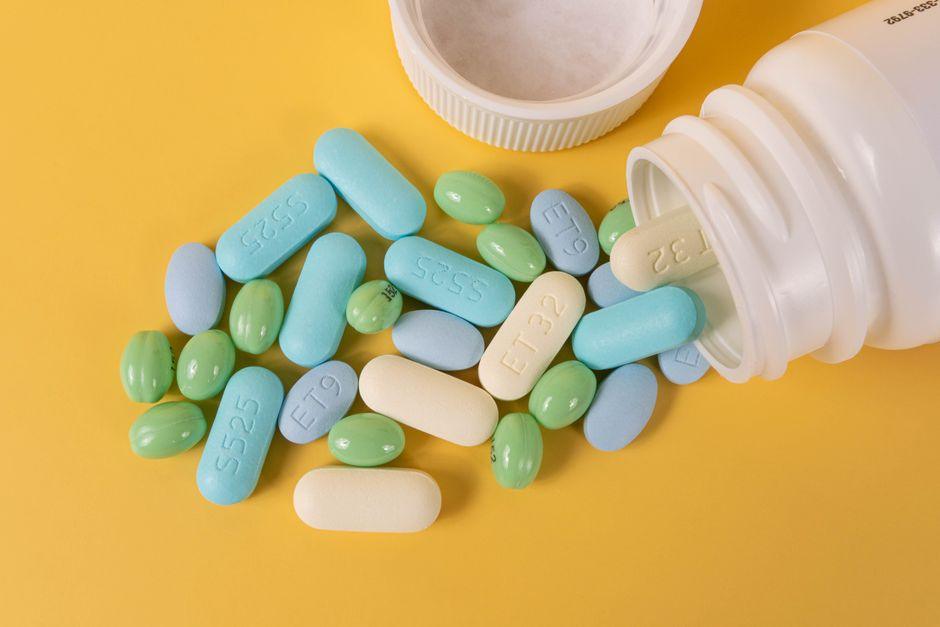
Many people in the UK look overseas to buy the generic version of a medicine at a lower price. Before you order, it helps to know exactly what UK rules say about bringing prescription medicine in for personal use — the position is more relaxed than many assume, with a few important exceptions.
Is it legal to import prescription medicine to the UK for personal use?
For most prescription medicines, yes. UK guidance states there are no formal restrictions on an individual importing a medicine provided it is strictly for use by that person or an immediate family member. The MHRA does not issue any licence, certificate or authorisation for personal importation — you simply need the medicine to be genuinely for personal use.
How much can you import?
Up to a three-month supply is generally regarded as a reasonable personal quantity. HM Revenue & Customs (HMRC) can prevent importation where large quantities suggest the medicine is not for personal use, so ordering modest, personal amounts is sensible.
What documents do you need?
For prescription-only medicines you should hold a valid prescription. Anyone posting a package containing medicine is advised to include a copy of the prescription and/or a letter from the patient’s doctor explaining why the product is required. This helps customs confirm the shipment is a genuine personal import.
Controlled drugs are different
Medicines containing controlled substances are the key exception. They generally cannot be posted from overseas, and importing them may require a personal import licence from the Home Office’s Drug Licensing Unit. If your medicine is a controlled drug, check the Home Office and MHRA rules before ordering.
Customs & what to expect
On arrival, medicines may be inspected by HMRC, and customs officers can seize products that do not comply with the rules. Staying within a personal supply, using prescription medicines prescribed to you, and enclosing your prescription all reduce the chance of a hold.
How OnlineMeds handles orders to the UK
However you order, our process is the same: a valid prescription is required and is reviewed by a licensed pharmacist before dispatch, we may ask for basic identity/address documentation, and we follow the local guidelines of your destination before any medicine is sent. Orders ship in discreet, tracked packaging. Full details are on our shipping & delivery page, and there is more general guidance in our guide to prescription regulations for global orders.
Because HMRC can inspect or hold shipments, keeping a copy of your prescription with the order and staying within personal-supply limits makes clearance smoother. Used as prescribed by a licensed medical professional.
Frequently asked questions
Is it legal to import prescription medicine to the UK for personal use?
There are no formal restrictions on an individual importing a medicine into the UK when it is strictly for use by that person or a member of their immediate family. The MHRA does not issue a licence or certificate for personal importation. Controlled drugs are the main exception and have stricter rules.
How much can I import?
Up to about a three-month supply is generally treated as an acceptable personal quantity. HM Revenue & Customs can stop importation if larger quantities suggest the medicine is not for personal use.
Do I need a prescription?
Yes for prescription-only medicines. It is advisable to include a copy of your prescription or a letter from your doctor with the package explaining why the medicine is required.
What about controlled drugs?
Medicines containing controlled substances have stricter rules — they generally cannot be posted from overseas and may require a personal import licence from the Home Office. Check before ordering.
This article is general information, not legal or medical advice. Personal-import rules and customs enforcement change and are applied case by case — always confirm the current rules with your national medicines regulator and customs authority before ordering, and use any medicine only as prescribed by a licensed medical professional.
Lipika Sachdeva is a licensed clinical pharmacist with 20 years of experience. She holds a B.Pharm and M.Pharm from Delhi University. At OnlineMeds, she reviews medicine and health content to help ensure it is accurate, evidence-based, and easy to understand.