
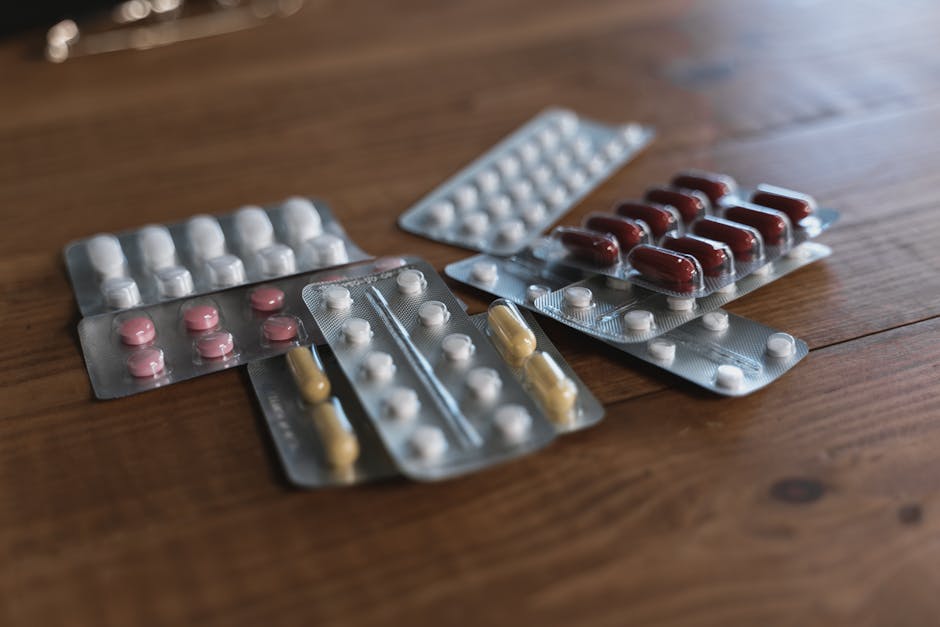
Demystifying how paracetamol actually relieves pain
Paracetamol—known universally as acetaminophen in the United States and Canada, and commonly by brand names like Tylenol or Panadol—is arguably the most widely used pain reliever and fever reducer in the world. It is a staple in almost every household medicine cabinet. Yet, despite its ubiquitous presence and decades of widespread use, the exact mechanism of how paracetamol works remains one of the most fascinating mysteries in pharmacology.
Unlike NSAIDs (like ibuprofen), which act directly at the site of an injury to block inflammation, paracetamol operates almost entirely within the central nervous system—the brain and the spinal cord. It is believed that paracetamol elevates the body’s overall pain threshold. It essentially tells the brain to require a much stronger signal before it registers a sensation as ‘painful.’ This makes it an excellent choice for generalized aches, tension headaches, and mild to moderate pain.
Furthermore, paracetamol is an incredibly effective antipyretic, meaning it reduces fevers. It achieves this by acting directly on the hypothalamus, the small region at the base of the brain that serves as the body’s thermostat. When you have an infection, chemicals in your blood cause the hypothalamus to raise your body’s temperature set-point, resulting in a fever. Paracetamol essentially resets this thermostat, prompting the body to dissipate heat through sweating and increased blood flow to the skin, bringing the temperature back down to normal.
The difference between paracetamol and anti-inflammatory drugs
The most common point of confusion among patients is distinguishing between paracetamol and NSAIDs like ibuprofen or naproxen. While they are all used for pain relief, their clinical applications are completely different because of how they act on the body.
The defining characteristic of paracetamol is that it possesses virtually zero anti-inflammatory properties. If you sprain your ankle and it swells up like a balloon, taking paracetamol will help blunt the pain signals reaching your brain, but it will do absolutely nothing to reduce the physical swelling, heat, or redness at the joint. An NSAID, conversely, will actively reduce that swelling by blocking the inflammatory prostaglandins at the site of the injury.
However, this lack of anti-inflammatory action is also paracetamol’s greatest advantage. Because it does not block the COX-1 enzyme in the stomach (as NSAIDs do), paracetamol is incredibly gentle on the gastrointestinal tract. It does not strip away the stomach’s protective mucus, and it does not cause stomach ulcers or internal bleeding, even with long-term use. This makes it the undisputed first-line pain reliever for individuals with a history of stomach ulcers, acid reflux, or those who simply cannot tolerate the harshness of NSAIDs.
Understanding safe daily dosing limits for adults
Because paracetamol is so easily accessible without a prescription and is generally very safe, there is a dangerous misconception that it is entirely harmless. In reality, paracetamol has a very narrow therapeutic window, meaning the difference between a safe, effective dose and a highly toxic, life-threatening dose is surprisingly small.
For a healthy adult, the absolute maximum daily limit of paracetamol is 4,000 milligrams (4 grams) within any 24-hour period. Standard strength tablets are typically 500 milligrams each. This means you should never exceed eight standard tablets in a day. You must also space these doses out, typically taking no more than two 500mg tablets (1,000mg total) every four to six hours.
It is crucial to understand that taking more than 1,000mg at one time will not provide better or faster pain relief; it will simply overwhelm your liver. If you weigh less than 50 kilograms (about 110 pounds), or if you are elderly and frail, your liver is smaller and processes the drug more slowly. In these cases, the maximum daily limit is often reduced by a doctor to 3,000 milligrams to ensure safety. Exceeding these limits, even by a small margin over several days, can initiate severe, irreversible organ damage.
How the liver metabolizes and clears the medication
To understand why paracetamol dosing limits are so strict, you must look at how the body clears the drug. After you swallow a tablet, it is absorbed into your blood and eventually travels to your liver, the body’s primary chemical processing plant. The liver is tasked with breaking down the paracetamol so it can be safely excreted in your urine.
Under normal, safe dosing conditions, the liver breaks down about 95 percent of the paracetamol into harmless, water-soluble compounds. However, the remaining 5 percent is processed through a different chemical pathway that produces a highly toxic byproduct known as NAPQI. Thankfully, a healthy liver contains a powerful antioxidant called glutathione. The glutathione immediately binds to the toxic NAPQI, neutralizing it before it can cause any damage.
This system works perfectly as long as you stay within the recommended dosing limits. But if you take a massive overdose, or if you take slightly too much over several days, you completely exhaust your liver’s supply of glutathione. Without glutathione to neutralize it, the toxic NAPQI rapidly builds up. This toxin aggressively attacks and destroys the liver cells themselves. This is why paracetamol toxicity is purely a liver issue, not a stomach or heart issue.
The hidden dangers of unintentional overdose in combination products
Intentional overdoses of paracetamol are tragic, but a staggering number of paracetamol toxicities treated in emergency rooms are entirely accidental. This happens because paracetamol is the most common active ingredient used in over-the-counter combination medications, especially those marketed for coughs, colds, and flu.
A patient suffering from a severe winter cold might take two paracetamol tablets for their fever. A few hours later, they might drink a hot, medicated lemon powder for their sore throat, not realizing it contains another 1,000mg of paracetamol. Before bed, they take a ‘nighttime’ cold and flu syrup to help them sleep, absorbing yet another massive dose. Without ever exceeding the instructions on a single box, they have inadvertently consumed a highly toxic amount of the drug by combining products.
This accidental ‘stacking’ is the leading cause of unintentional liver failure. To protect yourself, you must become an active reader of medication labels. Look for the word ‘paracetamol’ (or ‘acetaminophen’ in North America) on the back of every box or bottle of cold medicine, sinus relief pill, or sleep aid you purchase. You must calculate your total daily intake across every single product you consume to ensure you never cross the 4,000-milligram threshold.
Recognizing the symptoms of paracetamol toxicity
One of the most dangerous aspects of paracetamol overdose is how deceptive the initial symptoms are. Unlike Hollywood depictions of overdoses, a paracetamol overdose is not immediately dramatic. In fact, for the first 24 hours after taking a toxic dose, a person may feel entirely normal, or they may only experience vague, mild symptoms like nausea, loss of appetite, or lethargy.
This lack of immediate, severe symptoms often leads people to believe they are fine and prevents them from seeking help. However, inside the body, the liver cells are actively dying. By the second or third day, the symptoms escalate rapidly as the liver begins to fail. The patient may develop severe, continuous vomiting, intense pain in the upper right side of their abdomen (where the liver sits), and jaundice—a distinct yellowing of the skin and the whites of the eyes caused by the liver’s inability to clear bilirubin from the blood.
If left untreated, this acute liver failure can lead to swelling in the brain, coma, and death, often necessitating an emergency liver transplant. If you suspect that you or someone else has taken more than the recommended limit of paracetamol, do not wait for symptoms to appear. You must contact emergency services or poison control immediately. There is a highly effective antidote (N-acetylcysteine) that can completely prevent liver damage, but it is only effective if administered in the hospital very shortly after the overdose occurred.
When to choose paracetamol over an NSAID
Because paracetamol and NSAIDs have such different safety profiles, doctors often recommend one over the other based on the patient’s specific medical history. Paracetamol is the undisputed drug of choice for pure fever reduction, tension headaches, and generalized mild aches.
More importantly, paracetamol is the safest option for vast populations who cannot take NSAIDs. If you are taking prescription blood thinners (like warfarin or apixaban), taking an NSAID can cause severe, life-threatening internal bleeding; paracetamol is the safe alternative. If you have chronic kidney disease, NSAIDs can further damage your renal function; paracetamol is processed by the liver and spares the kidneys. If you have high blood pressure or heart failure, NSAIDs can cause dangerous fluid retention; paracetamol has no effect on cardiovascular fluid balance.
Conversely, if you are suffering from acute inflammation—such as a swollen, sprained joint or a gout flare-up—paracetamol will likely be ineffective, and an NSAID will be required. Often, for severe acute pain (like recovering from dental surgery), doctors will recommend ‘staggering’ the two drugs. Because they are processed by completely different organs, you can take a dose of paracetamol, wait three hours, take a dose of ibuprofen, and repeat. This provides excellent, continuous pain relief without exceeding the maximum safe limit of either drug.
Special considerations during pregnancy and childhood
When it comes to treating pain or a high fever during pregnancy, paracetamol is widely considered the safest option available. Extensive, long-term epidemiological studies have shown that paracetamol, when used at the lowest effective dose for the shortest duration necessary, does not increase the risk of birth defects or pregnancy complications. In contrast, NSAIDs like ibuprofen are strictly contraindicated in the later stages of pregnancy due to severe risks to the fetal heart and kidneys.
Paracetamol is also the foundational pain and fever medication for infants and children. However, dosing for children is absolutely critical and must be calculated precisely based on the child’s weight, not their age. Liquid paracetamol formulations for infants and older children can sometimes have different concentrations, leading to tragic dosing errors if the wrong syringe or measuring cup is used. Parents must always use the exact measuring device that comes with the specific bottle and consult a pharmacist or pediatrician if they have any doubts about the correct milliliter dose for their child’s current weight.
While it is a powerful and essential medication, the safety of paracetamol relies entirely on the respect given to its dosing limits. By understanding how it works and where it hides in other medications, you can use it confidently to manage pain and fever without risking your long-term health.
This article is for informational purposes only and is not a substitute for medical advice from a licensed healthcare professional. Always consult your doctor or pharmacist before starting, changing, or stopping any medication.
Hari Ramalingam is a licensed clinical pharmacist with 14 years of experience. He holds a B.Pharm from Dr. M.G.R. Medical University. At OnlineMeds, he reviews medicine and health content to help ensure it is accurate, evidence-based, and easy to understand.