
The critical role of vitamin B12 in nerve health and red blood cells
Vitamin B12, clinically known as cobalamin, is a water-soluble vitamin that acts as a fundamental building block for some of the body’s most complex and vital systems. Unlike vitamin C, which the body flushes out rapidly, the liver is capable of storing several years’ worth of vitamin B12. Because of this massive reserve, a deficiency takes a very long time to develop—often years—but when it finally occurs, the consequences can be devastating.
B12 has two primary, non-negotiable roles. First, it is absolutely essential for the synthesis of DNA during cell division. This role is most evident in the bone marrow, where the body is constantly rapidly dividing cells to create millions of new red blood cells every day. Without enough B12, the bone marrow produces abnormally large, fragile, and inefficient red blood cells, leading to a specific, severe type of anemia.
Second, and perhaps more critically, B12 is required to create and maintain the myelin sheath. The myelin sheath is the protective, fatty insulation that wraps around your nerve fibers, much like the rubber casing around a copper electrical wire. It allows electrical signals to travel rapidly and smoothly from your brain to your extremities. When B12 levels plummet, this insulation degrades, leading to short circuits and permanent nerve damage.
Why vegetarians and vegans are at significantly higher risk
The most common cause of vitamin B12 deficiency worldwide is not a disease, but a dietary choice. Vitamin B12 is unique among vitamins because it is synthesized exclusively by certain bacteria. In the human food chain, these bacteria reside almost entirely within the digestive tracts of animals.
Therefore, naturally occurring vitamin B12 is found exclusively in animal products: meat, poultry, fish, eggs, and dairy. There are absolutely no reliable, unfortified plant-based sources of vitamin B12. While some seaweeds and fermented foods are marketed as containing B12, they often contain ‘pseudovitamin B12’—compounds that look chemically similar to the vitamin but cannot be utilized by the human body, and can actually block the absorption of true B12.
Because of this biological reality, individuals who follow strict vegetarian or vegan diets are at a profoundly elevated risk of developing a deficiency over time as their liver stores slowly deplete. For anyone adhering to a strict plant-based lifestyle, taking a daily B12 supplement or regularly consuming heavily fortified foods (like nutritional yeast or fortified plant milks) is not optional; it is an absolute medical necessity to prevent irreversible neurological damage.
How the diabetes drug metformin depletes your B12 levels
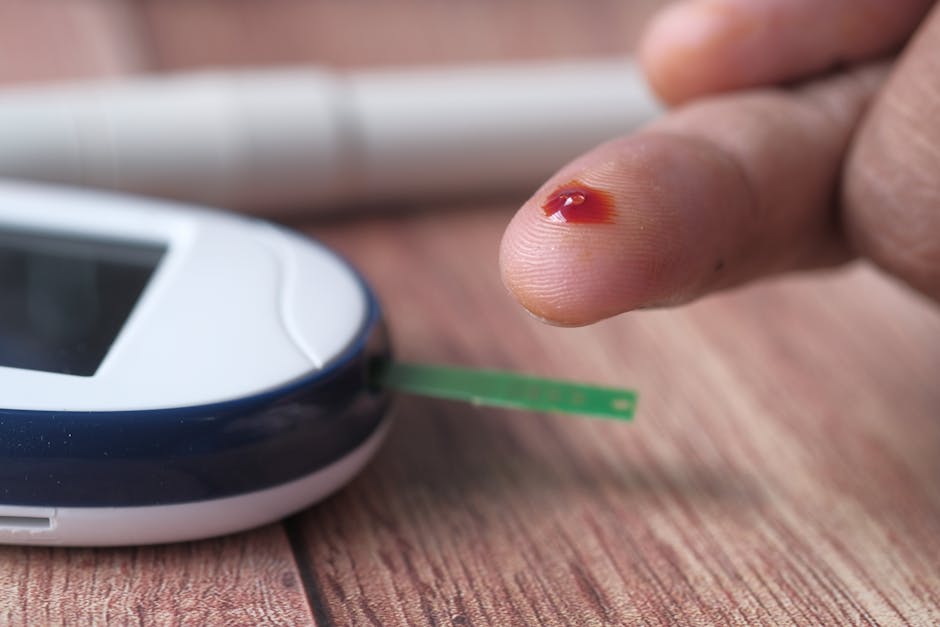
While diet is a primary factor, one of the most widely prescribed medications in the world is also a silent driver of B12 deficiency. Metformin is the undisputed first-line treatment for type 2 diabetes. It is highly effective, very safe, and actively protects the cardiovascular system. However, long-term use carries a specific, well-documented side effect: it actively interferes with the absorption of vitamin B12.
The exact mechanism is complex, but it is believed that metformin alters the motility of the gut and interferes with the calcium-dependent channels in the lower intestine that are specifically designed to absorb the B12 molecule. Clinical studies indicate that up to 30 percent of patients taking metformin long-term will experience a significant drop in their B12 levels.
This creates a dangerous diagnostic trap. The nerve damage caused by B12 deficiency often presents as numbness and tingling in the feet—symptoms that are identical to diabetic neuropathy (nerve damage caused by high blood sugar). A doctor might mistakenly assume a patient’s foot pain is just their diabetes progressing, when in reality, it is a highly treatable B12 deficiency caused by their medication. Medical guidelines now strongly recommend that all patients on long-term metformin therapy have their B12 levels tested annually.
The subtle, neurological warning signs of early deficiency
Because the liver stores so much B12, the transition from healthy to deficient is incredibly slow and insidious. The early warning signs are often dismissed as general fatigue or the normal aches and pains of aging.
The anemia caused by B12 deficiency (megaloblastic anemia) leads to classic symptoms of poor oxygen delivery: profound lethargy, looking unusually pale, feeling breathless after minor exertion, and experiencing a rapid heart rate. However, the neurological symptoms are far more specific and concerning. These often begin subtly in the extremities.
Patients frequently report a sensation of ‘pins and needles,’ tingling, or numbness that usually starts in the toes and slowly progresses up the legs, or starts in the fingertips. As the myelin sheath degrades further, the sensory nerves fail to relay proper spatial information to the brain. This results in a loss of proprioception—a feeling of unsteadiness, clumsiness, or a sudden inability to walk in a straight line without stumbling. If left untreated, these neurological deficits can become permanent, even if the B12 levels are eventually restored.
Understanding the body’s complex absorption process
To understand why treating a deficiency is sometimes difficult, you must understand the incredibly complex journey a B12 molecule takes through the digestive system. Swallowing a vitamin B12 pill or eating a piece of steak is only the first step.
When the B12 enters your stomach, it is tightly bound to food proteins. The stomach must produce highly acidic gastric juices to break those protein bonds and free the vitamin. Next, the stomach lining must secrete a highly specialized protein called Intrinsic Factor (IF). The free B12 must physically bind to this Intrinsic Factor. This new B12-IF complex then travels all the way down the digestive tract to the very end of the small intestine (the terminal ileum), which is the only place in the entire body equipped with the specific receptors needed to absorb it.
If any part of this chain fails, absorption plummets to near zero. If you take strong antacids (like proton pump inhibitors) that eliminate stomach acid, the B12 cannot be freed from food. If you have an autoimmune disease (Pernicious Anemia) that destroys the stomach cells that make Intrinsic Factor, you cannot absorb B12 no matter how much you eat. Understanding where the breakdown is occurring dictates how the deficiency must be treated.
Choosing between oral tablets, sublingual drops, and injections
The method used to replenish B12 depends entirely on the root cause of the deficiency. For vegetarians or vegans whose deficiency is purely dietary (meaning their digestive tract works perfectly, they just aren’t eating the vitamin), a standard, high-dose oral tablet swallowed daily is highly effective.
For patients who have mild absorption issues—perhaps due to aging, taking metformin, or using mild antacids—oral supplements can still work, provided the dose is massive. When you swallow a massive dose of B12 (e.g., 1,000 to 2,000 micrograms), about 1 percent of it is absorbed through passive diffusion directly through the gut wall, entirely bypassing the need for stomach acid or Intrinsic Factor. Over-the-counter sublingual drops or lozenges (which dissolve under the tongue) rely on this same passive diffusion principle, entering the dense capillary network in the mouth.
However, for patients with severe intestinal disease (like Crohn’s), those who have had gastric bypass surgery, or those diagnosed with Pernicious Anemia, oral and sublingual routes are often insufficient. Because their digestive tracts cannot process the vitamin, it must be delivered directly into the tissue. These patients require intramuscular B12 injections, typically administered into the shoulder or thigh muscle, initially given every few days to replenish stores, and then once a month for the rest of their lives.
Decoding the different forms of B12: cyanocobalamin vs methylcobalamin
When selecting an over-the-counter B12 supplement, you will quickly notice there are several different chemical forms available, leading to significant consumer confusion. The two most common forms are cyanocobalamin and methylcobalamin.
Cyanocobalamin is a synthetic form of B12 that does not occur in nature. It is the most widely used form in cheap supplements and fortified foods because it is incredibly stable, has a long shelf life, and is inexpensive to produce. Once absorbed, the body easily strips away the ‘cyano’ molecule and converts the core cobalamin into the active forms it needs. It is highly effective and has decades of safety data behind it.
Methylcobalamin, on the other hand, is one of the naturally occurring, active forms of the vitamin found in the human body. Many supplement companies heavily market methylcobalamin as ‘superior’ or ‘more natural,’ charging a premium price for it. While it is an excellent form of the vitamin, extensive clinical trials have shown no significant difference in the ability of cyanocobalamin versus methylcobalamin to correct a deficiency or resolve symptoms. Both forms are highly effective; the consistency of taking the supplement is far more important than the specific chemical variant.
Building a long-term strategy for maintaining healthy levels
Managing your vitamin B12 status is an exercise in long-term preventative health. Once a severe deficiency is diagnosed and corrected, you cannot simply stop taking the supplement and assume you are cured. If the underlying cause remains—whether that is a strict vegan diet, ongoing metformin therapy, or an autoimmune condition—the liver stores will simply begin to deplete again.
For patients on a plant-based diet, a daily oral supplement of 250 to 500 micrograms, or a twice-weekly supplement of 1,000 micrograms, is usually sufficient to maintain healthy levels indefinitely. For patients taking metformin, an annual blood test should be standard practice; if levels begin to drift downwards, a daily oral supplement can safely bridge the gap without interfering with the diabetes medication.
By understanding your personal risk factors and proactively monitoring for the subtle neurological warning signs, vitamin B12 deficiency is entirely preventable. It is a striking example of how a simple, inexpensive vitamin can protect the profound complexity of the human nervous system.
This article is for informational purposes only and is not a substitute for medical advice from a licensed healthcare professional. Always consult your doctor or pharmacist before starting, changing, or stopping any medication.
Mahesh Gupta is a licensed clinical pharmacist with 15 years of experience. He holds a B.Pharm and M.Pharm from LN Mithila University. At OnlineMeds, he reviews medicine and health content to help ensure it is accurate, evidence-based, and easy to understand.