
Ivabradine
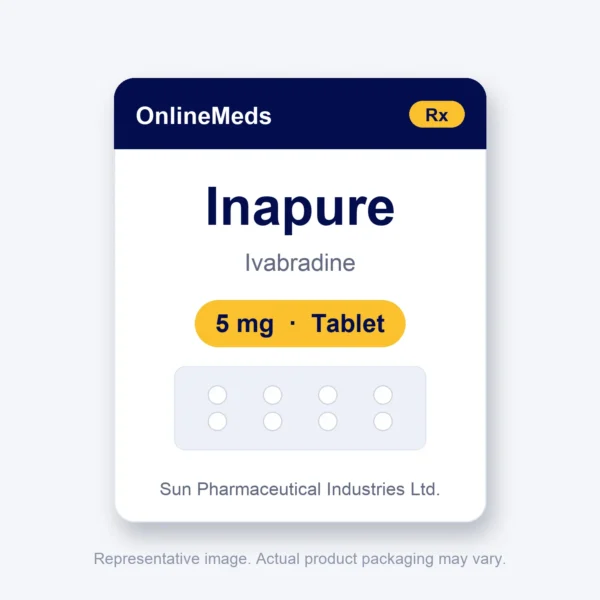
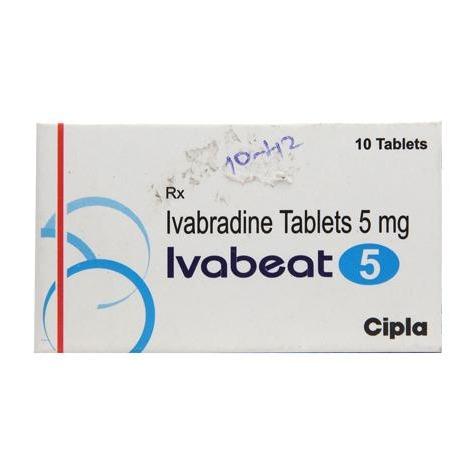
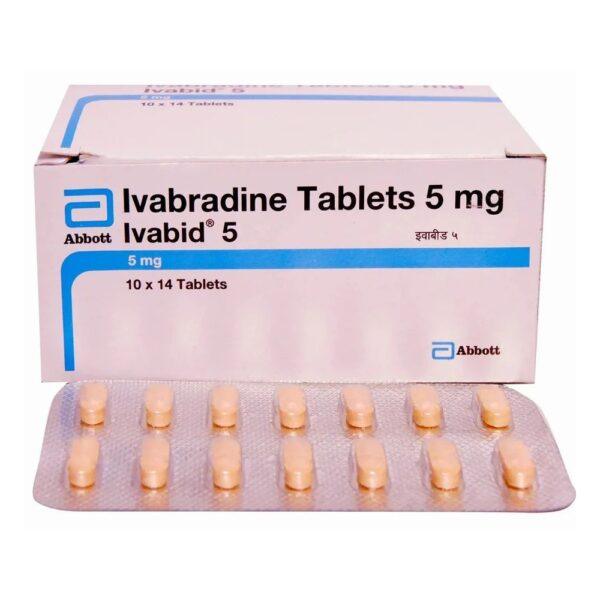
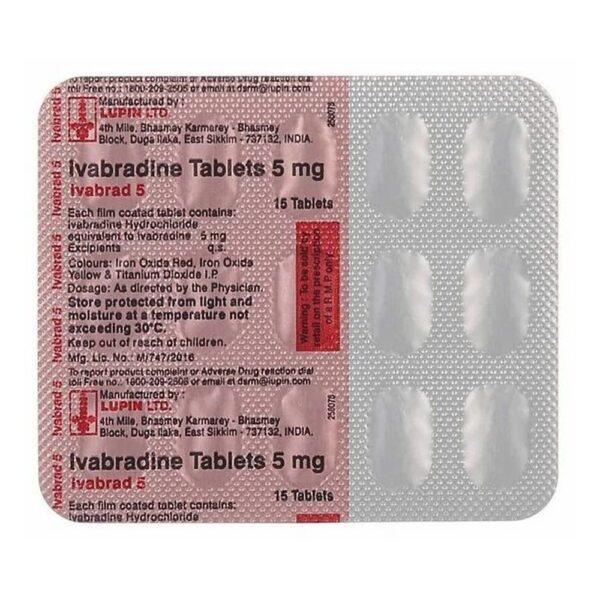
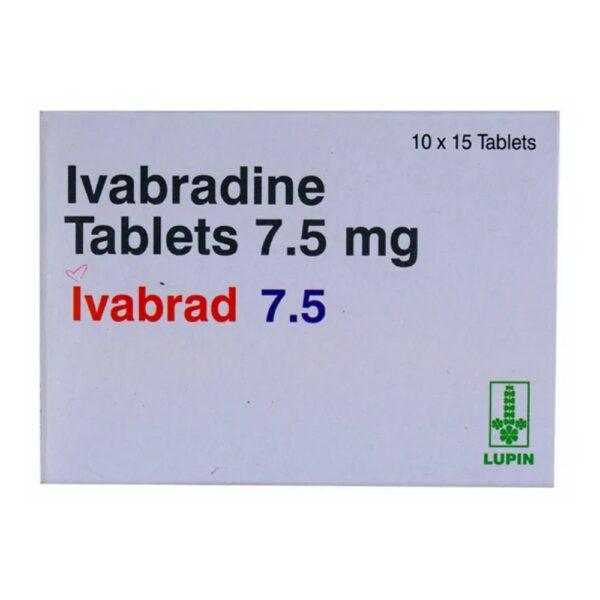
About Ivabradine
Ivabradine — selective and specific If channel inhibitor
Ivabradine is an oral medicine that slows the heart rate without weakening the force of each beat. It is used in chronic heart failure and in stable angina, and only in people whose heart rhythm originates normally in the sinus node.
How Ivabradine works
It blocks the "funny" current (If) in the sinoatrial node — the pacemaker current that sets how quickly the node fires. Slowing that current lowers heart rate specifically, without the effects on contractility, blood pressure or conduction that beta-blockers have. That selectivity is the point: it lowers rate where reducing rate is the goal and other options are not tolerated.
What it is licensed for
Symptomatic chronic heart failure with reduced ejection fraction in sinus rhythm with an elevated resting heart rate, alongside standard therapy; and symptomatic stable angina in coronary artery disease, in sinus rhythm.
How it is taken
An oral tablet taken twice daily with food. Dosage must be determined by a qualified healthcare provider.
What your prescriber monitors
Resting heart rate and rhythm, with ECG where atrial fibrillation is suspected; blood pressure; and any visual symptoms. An ECG is repeated where palpitations are reported, since atrial fibrillation may be silent. Retinal review is arranged for visual disturbance that does not settle. Concomitant rate-limiting agents are reviewed at each adjustment.
Important cautions and interactions
It does not work in atrial fibrillation, because it acts on the sinus node — and it can increase the chance of atrial fibrillation developing. Luminous visual phenomena (phosphenes), usually transient brightness in part of the visual field, are characteristic and relate to a similar current in the retina. Strong CYP3A4 inhibitors are contraindicated. It is not used in pregnancy. Physical activity tolerance is reviewed at follow-up, since the purpose of lowering rate is to improve exertional symptoms rather than the number alone.
Where Ivabradine sits in its class
Ivabradine is the only If-channel inhibitor in clinical use, which makes it unusual: beta-blockers, non-dihydropyridine calcium channel blockers and digoxin all slow the heart but each affects contractility, conduction or blood pressure as well. It is generally added when heart rate remains high despite a beta-blocker, or used where a beta-blocker cannot be tolerated, rather than instead of one by default.
What to expect in the first weeks
Resting pulse is rechecked after roughly two weeks, since the amount is adjusted to keep it in a target band rather than fixed at the start. Luminous visual phenomena, if they appear at all, usually begin within the first two months and commonly fade with continued use. Report a pulse that feels irregular, unusual tiredness or breathlessness. Take it consistently with breakfast and the evening meal.
Before you start Ivabradine
Your prescriber will confirm you are in sinus rhythm, usually with an ECG, because the medicine does nothing in atrial fibrillation. Report any palpitations or irregular pulse during treatment, since the risk of atrial fibrillation is raised. List every medicine including antifungals, macrolide antibiotics, diltiazem and verapamil, and mention grapefruit juice, which affects blood levels. Say if you are pregnant, breastfeeding or planning either.
Generic Ivabradine and Procoralan
Generic Ivabradine contains the same active ingredient as Procoralan®, produced by licensed pharmaceutical manufacturers. The brand name and the price differ, not the molecule.
Ivabradine is a prescription-only medicine. A valid prescription is required and every order is reviewed by a licensed pharmacist before dispatch. Used as prescribed by a licensed medical professional.
Frequently asked questions
How is ivabradine different from a beta-blocker?
Both lower heart rate, but ivabradine acts only on the pacemaker current in the sinus node, so it does not reduce the force of contraction or lower blood pressure the way beta-blockers do. That makes it an option where a beta-blocker is not tolerated or not enough on its own.
Why does ivabradine need a normal heart rhythm to work?
It slows the sinus node, the heart's own pacemaker. In atrial fibrillation the rhythm is not being set there, so the medicine has nothing to act on — which is why it is not used in that situation.
What are the visual effects some people report with ivabradine?
Brief patches of increased brightness in part of the visual field, called phosphenes, are a recognised effect and relate to a current in the retina similar to the one the medicine targets in the heart. They are usually mild and settle, but report them to your prescriber.
Do I need a prescription to order Ivabradine?
Yes. Ivabradine is a prescription-only medicine. Upload a valid prescription at checkout — every order is reviewed by a licensed pharmacist before dispatch.
Browse by condition
Last updated: October 3, 2026

Medically reviewed by
Chitra Shetty
Chitra Shetty is a licensed clinical pharmacist with 14 years of experience. She holds a B.Pharm and M.Pharm from Sambalpur University. At OnlineMeds, she reviews medicine and health content to help ensure it is accurate, evidence-based, and easy to understand.