
IMATINIB
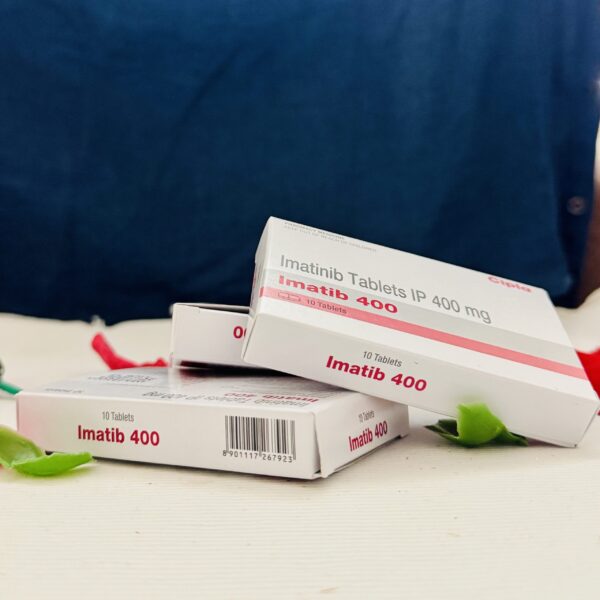
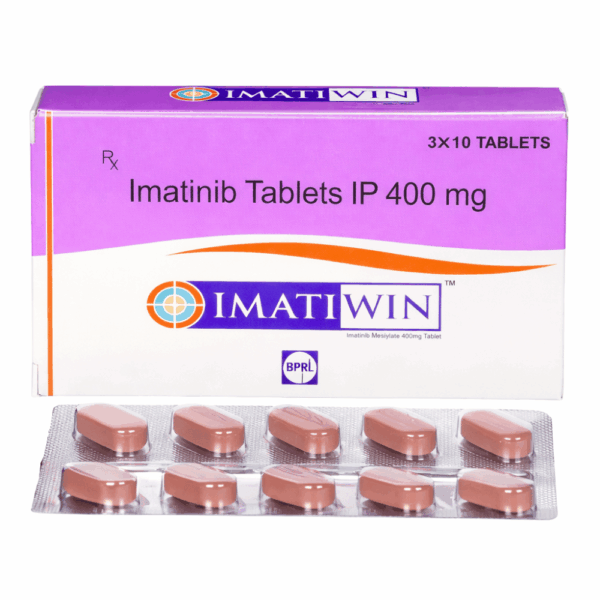
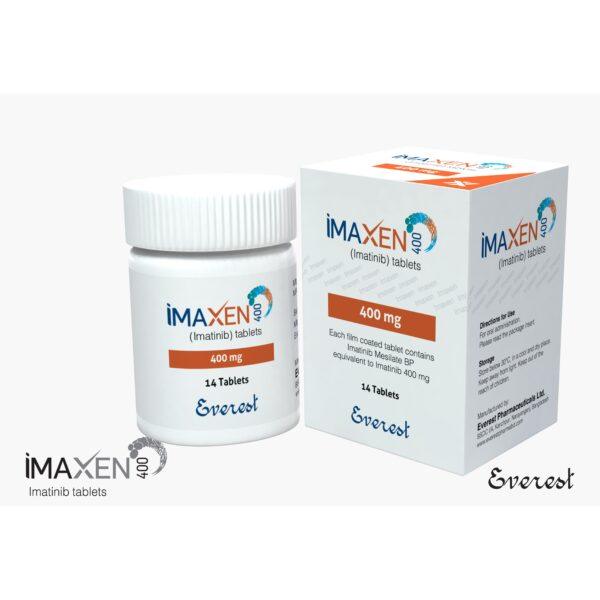
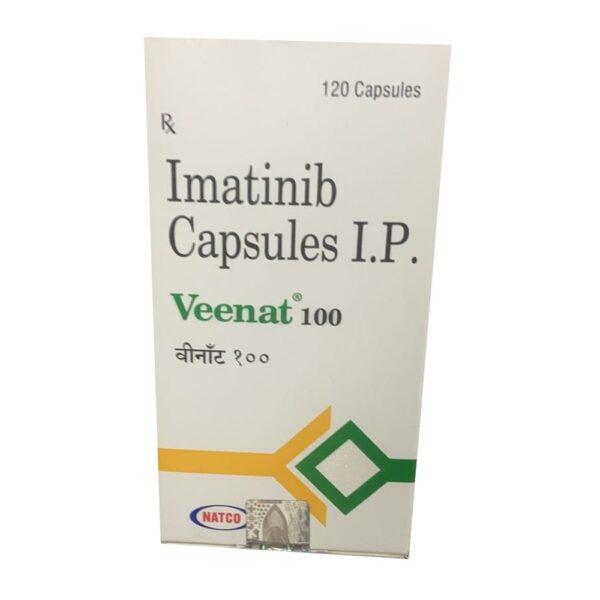
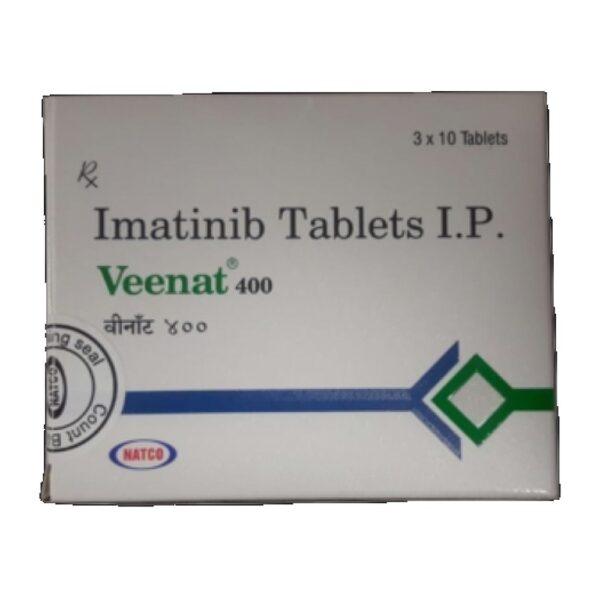
About Imatinib
Imatinib — BCR-ABL, KIT and PDGFR tyrosine kinase inhibitor
Imatinib is an oral targeted medicine used in several cancers defined by a specific molecular change, most familiarly chronic myeloid leukaemia. It was the first of the targeted kinase inhibitors to reach wide use.
How Imatinib works
It occupies the ATP-binding site of particular tyrosine kinases and switches them off. In chronic myeloid leukaemia the target is BCR-ABL, the fusion protein produced by the Philadelphia chromosome; in gastrointestinal stromal tumour it is KIT; in some rarer conditions it is PDGFR. Each of those is a single abnormal signal the tumour depends on, which is why the medicine is tied to a molecular diagnosis rather than to a site in the body.
What it is licensed for
Philadelphia-chromosome-positive chronic myeloid leukaemia; Philadelphia-positive acute lymphoblastic leukaemia; KIT-positive unresectable or metastatic gastrointestinal stromal tumour, and as adjuvant therapy after resection; dermatofibrosarcoma protuberans; and certain myelodysplastic and hypereosinophilic conditions with PDGFR rearrangement.
How it is taken
An oral tablet taken once daily with a meal and a large glass of water, to reduce gastric irritation. Higher total daily amounts are sometimes divided. Dosage must be determined by a qualified healthcare provider.
What your prescriber monitors
Full blood count, particularly in the early months; liver function; weight and any swelling, since fluid retention is characteristic; and molecular response by BCR-ABL transcript level in chronic myeloid leukaemia.
Important cautions and interactions
Fluid retention — periorbital and peripheral oedema, and less often pleural or pericardial effusion — is the effect most associated with this medicine and any sudden weight gain is reported. Cytopenias are common and dose-limiting. Liver injury occurs and is monitored. It interacts with CYP3A4 inhibitors and inducers, and with paracetamol at high regular doses. It can harm a developing baby.
Where Imatinib sits in its class
Imatinib was the first BCR-ABL inhibitor and remains a first-line option; the later agents — dasatinib, nilotinib, bosutinib and ponatinib — bind differently and cover some resistance mutations imatinib does not, each with its own side-effect pattern. Which is appropriate depends on the mutation profile, other health conditions and tolerability, and is a haematology decision rather than a ranking.
What to expect in the first weeks
Nausea, muscle cramps, bone aching and puffiness around the eyes are common in the opening weeks; taking each dose with food and a full glass of water helps considerably. Blood counts are checked frequently at first and often dip before recovering. Weigh yourself regularly, since a rapid gain can be the earliest sign of fluid building up. Cramps often improve with attention to hydration and electrolytes.
Before you start Imatinib
Tell your team about heart failure or fluid retention, liver disease, and kidney problems. List every medicine and supplement including St John's wort, and mention regular paracetamol use at higher doses. Report sudden weight gain, new ankle or facial swelling, or breathlessness promptly. Ask how often BCR-ABL transcript levels will be measured, since that is how response is followed rather than by how you feel.
Generic Imatinib and Gleevec
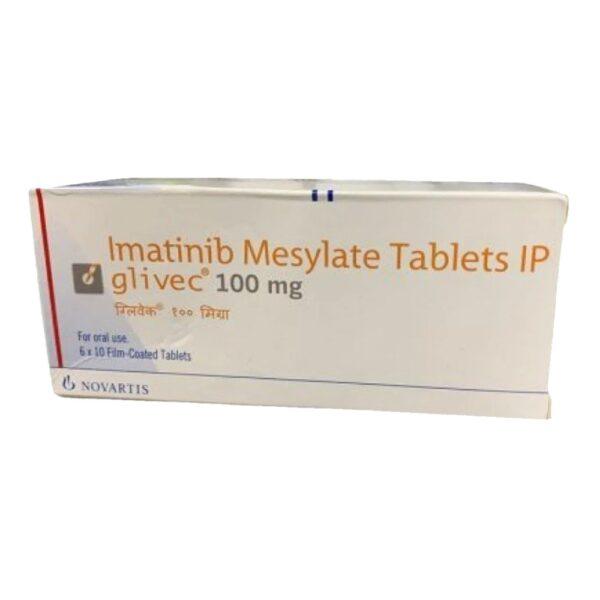
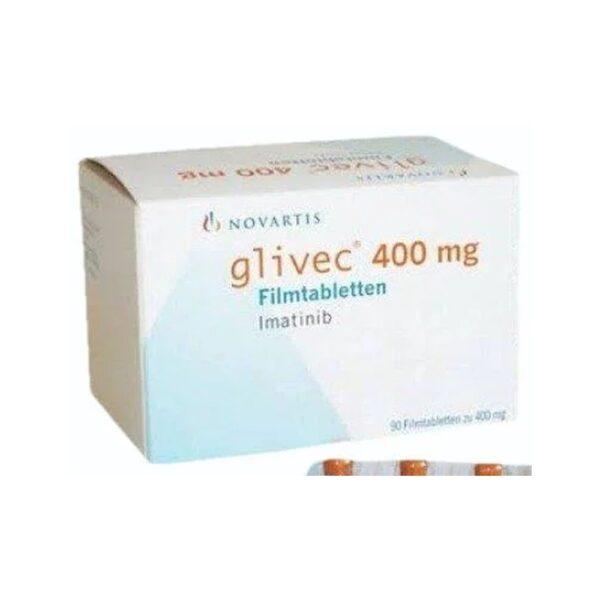
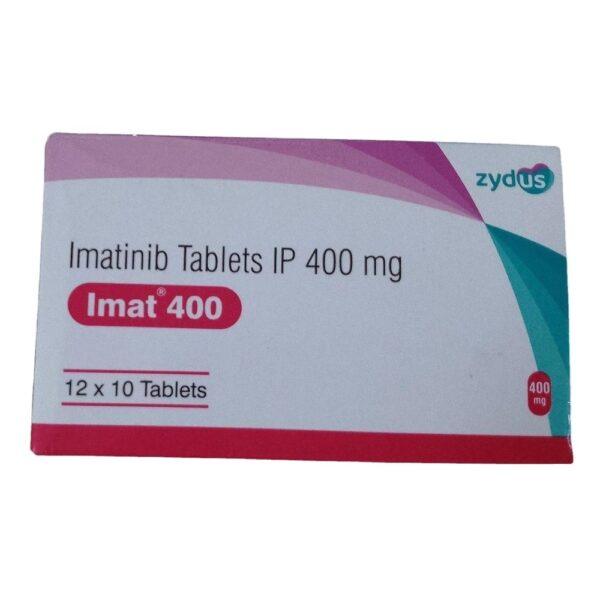
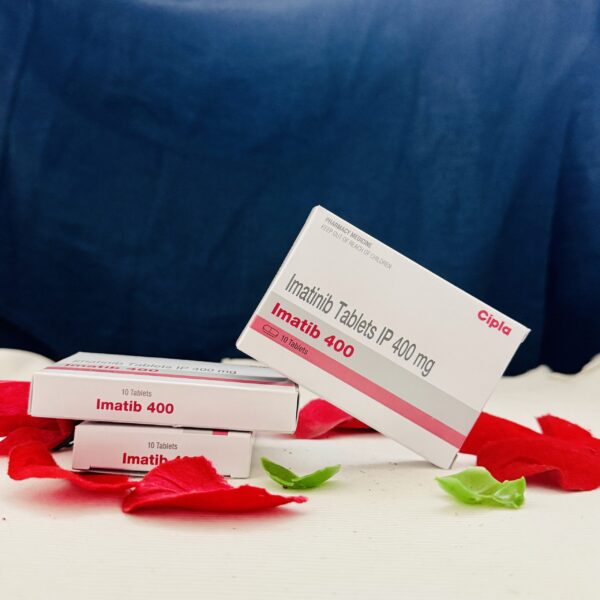
Generic Imatinib contains the same active ingredient as Gleevec®, produced by licensed pharmaceutical manufacturers. The brand name and the price differ, not the molecule.
Read our full guide: Generic Gleevec (Imatinib)
Imatinib is a prescription-only medicine. A valid prescription is required and every order is reviewed by a licensed pharmacist before dispatch. Used as prescribed by a licensed medical professional.
Frequently asked questions
Why is imatinib taken with food?
Taking it with a meal and a full glass of water reduces stomach irritation, which is otherwise common. It is a tolerability measure and part of how the medicine is normally prescribed.
Why does imatinib cause swelling?
Fluid retention is characteristic of this medicine — most often puffiness around the eyes or swelling of the ankles, occasionally fluid around the lungs or heart. Report sudden weight gain or new breathlessness rather than waiting, since it is managed with dose adjustment and sometimes diuretics.
What is the Philadelphia chromosome?
A rearrangement between chromosomes 9 and 22 that creates the BCR-ABL fusion gene, producing a permanently active kinase. Imatinib blocks that kinase, which is why the medicine is matched to this molecular finding rather than to a tumour site.
Do I need a prescription to order Imatinib?
Yes. Imatinib is a prescription-only medicine. Upload a valid prescription at checkout — every order is reviewed by a licensed pharmacist before dispatch.
Browse by condition
Last updated: September 11, 2026

Medically reviewed by
Babu S. Shetty
Babu S. Shetty is a licensed clinical pharmacist with 14 years of experience. He holds a B.Pharm and M.Pharm from Mohan Kumaramangalam Medical College. At OnlineMeds, he reviews medicine and health content to help ensure it is accurate, evidence-based, and easy to understand.