
Generic Lynparza (Olaparib)
Same active ingredient — olaparib — as Lynparza®, at a substantially lower price. Produced by licensed pharmaceutical manufacturers.
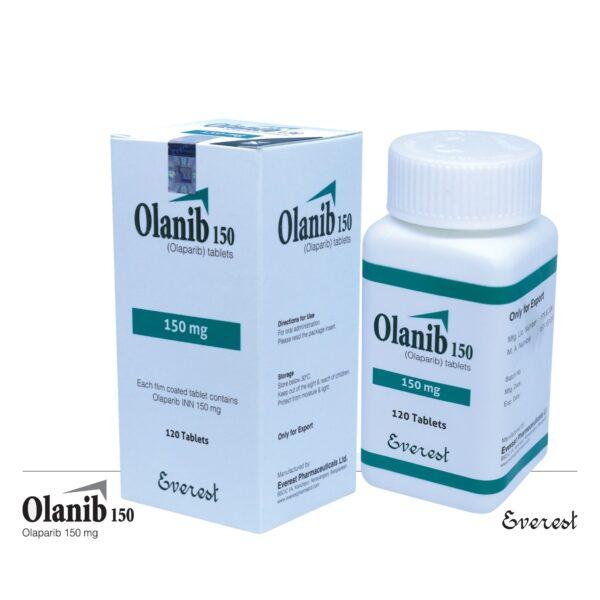
The same active ingredient, without the originator price
Generic olaparib is the equivalent of branded Lynparza® — not a different medicine, and not a “knockoff.”
Any switch between brand and generic should be discussed with your prescribing doctor. Reference prices are indicative public list prices and vary by market.
Available generic olaparib options
Every option contains olaparib and requires a valid prescription. Grouped by strength.
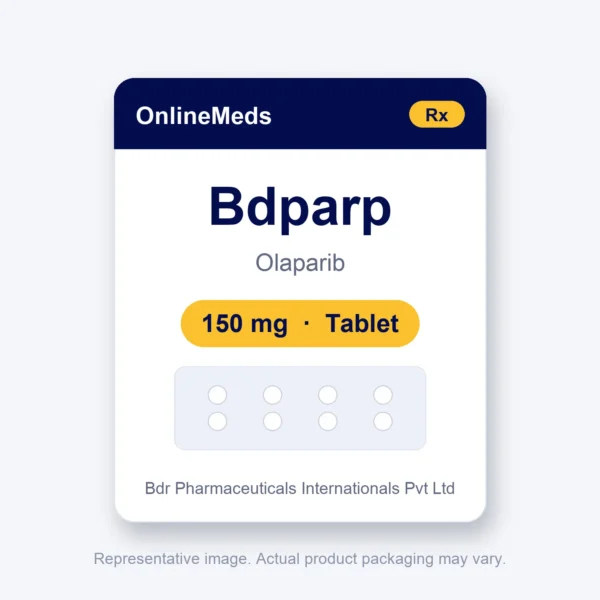
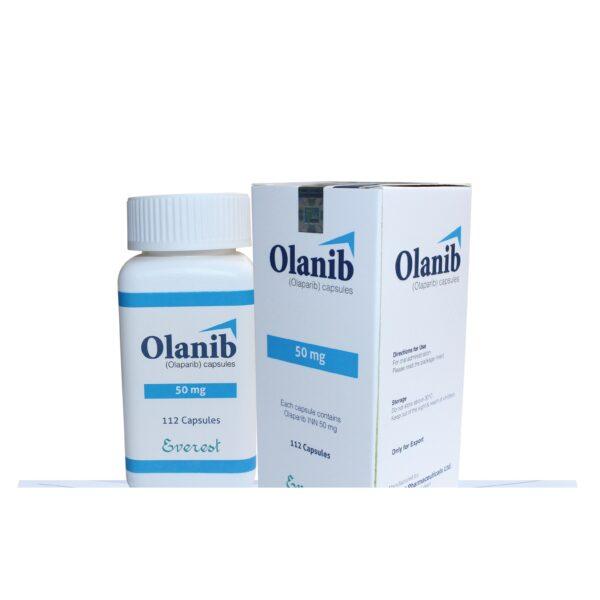
Availability varies by destination. All options are dispatched after pharmacist review of your prescription.
What Lynparza® typically costs — and the generic alternative
Typical branded reference prices by market, next to our generic olaparib price.
| Market | Branded Lynparza® — reference price | Generic olaparib — OnlineMeds |
|---|---|---|
| United States | ~$16,000 / month (brand) branded list price |
from
$230.00 / tablet
tracked worldwide shipping · Rx required
|
| United Kingdom | ~£4,000 / month (brand) branded list price |
from
$230.00 / tablet
tracked worldwide shipping · Rx required
|
| Australia | ~A$6,000 / month (brand) branded list price |
from
$230.00 / tablet
tracked worldwide shipping · Rx required
|
Reference prices are indicative public list prices for the originator brand. Prices vary by destination & quantity — not a promised discount.
Olaparib, explained simply
Written and reviewed by our pharmacist team. Informational only — your doctor directs your treatment.
Olaparib is the active ingredient in Lynparza®, AstraZeneca and Merck's PARP inhibitor for BRCA-mutated and HRD-positive ovarian, breast, prostate and pancreatic cancers, often given as maintenance therapy. Generic olaparib contains the same active ingredient at the same strengths and is produced by licensed pharmaceutical manufacturers. For patients paying out of pocket, the generic olaparib cost can be substantially lower. Used as prescribed by a licensed medical professional.
Lynparza is AstraZeneca and Merck's brand name for olaparib, a targeted oral cancer medicine from the PARP inhibitor class. It is prescribed under oncologist supervision for certain BRCA-mutated or HRD-positive ovarian, breast, prostate and pancreatic cancers, frequently as maintenance treatment after platinum-based chemotherapy. Generic for Lynparza refers to olaparib tablets containing the identical active ingredient, supplied in the same 100 mg and 150 mg strengths by licensed pharmaceutical manufacturers.
Olaparib blocks PARP, an enzyme that helps cells repair single-strand breaks in their DNA. In tumours that already carry faulty BRCA genes or homologous-recombination deficiency, DNA damage accumulates because the cancer cell cannot fall back on this repair pathway. This mechanism is why confirmed BRCA or HRD status through validated testing is required before treatment. An oncologist decides whether olaparib is appropriate and supervises its use throughout therapy.
Olaparib is prescribed for adults whose cancer has a confirmed BRCA mutation or homologous-recombination deficiency, identified through validated genetic or tumour testing. Depending on the licensed indication it may be used in ovarian, breast, prostate or pancreatic cancer, often as maintenance therapy. It is not suitable for everyone, and eligibility depends on tumour type, mutation status and prior treatment. An oncologist confirms suitability and monitors patients, and it should only be used as prescribed by a licensed medical professional.
The usual dose of olaparib is 300 mg taken twice daily, given as two 150 mg tablets each time, roughly twelve hours apart, with or without food. The 100 mg tablet is used when an oncologist needs to reduce the dose because of side effects. Tablets are swallowed whole and should not be crushed or chewed. Dosing, duration and any adjustments are determined by the treating oncologist, and the medicine must be taken exactly as prescribed by a licensed medical professional.
Never change your dose on your own.
Common side effects of olaparib include anaemia, nausea, vomiting, fatigue, decreased appetite and reductions in white blood cells and platelets. Less commonly it may affect the lungs or, rarely, the bone marrow, which is why ongoing blood-count monitoring is important. Patients should tell their oncologist about persistent tiredness, breathlessness, fever, or unusual bruising or bleeding. This is not a complete list, and any new or worsening symptoms should be discussed with a licensed medical professional.
Report new or worsening symptoms to your doctor promptly. This is not a complete list — see the patient information leaflet.
Store as directed on the patient information leaflet, usually at room temperature away from moisture and out of reach of children. Always follow the storage guidance supplied with your medicine.
Olaparib belongs to the PARP inhibitor class, alongside medicines such as niraparib (Zejula), rucaparib and talazoparib. These drugs share the same broad mechanism of blocking PARP-mediated DNA repair, but they differ in their licensed indications, approved tumour types, dosing schedules and side-effect profiles. Olaparib is taken as two 150 mg tablets twice daily and is used across several BRCA-mutated or HRD-positive cancers. The right choice within the class is a clinical decision made by an oncologist based on the individual diagnosis and testing results.
Lynparza carries a high list price because the originator brand reflects years of research, clinical development and marketing costs recovered under patent protection. In the United States branded Lynparza can exceed fifteen thousand dollars per month. Generic olaparib contains the identical active ingredient at the same 100 mg and 150 mg strengths but is produced by licensed pharmaceutical manufacturers who did not carry those development costs, which is why the generic olaparib cost is substantially lower. For patients paying out of pocket, this cost gap is the main practical reason to consider generic for Lynparza.
Olaparib is taken by mouth, usually as two 150 mg tablets twice daily, and treatment often continues for as long as an oncologist judges it beneficial. The most common side effects include anaemia, nausea, fatigue and reductions in blood cell counts, so regular blood tests are used to monitor for low counts. Anaemia is a key effect to watch and may require a dose adjustment. Patients should report unusual tiredness, breathlessness, bruising or infection to their care team, and take the medicine only as prescribed by a licensed medical professional.
Lynparza® vs generic olaparib
| Attribute | Lynparza® (brand) | Generic olaparib |
|---|---|---|
| Active ingredient | Olaparib | Olaparib (same active ingredient) |
| Strengths | 100 mg, 150 mg tablets | 100 mg, 150 mg tablets Same |
| Dosage form | Film-coated tablet (oral) | Film-coated tablet (oral) Same |
| Originator | AstraZeneca / Merck | licensed pharmaceutical manufacturer |
| Typical dosing | 300 mg (two 150 mg tablets) twice daily | 300 mg (two 150 mg tablets) twice daily Same |
| Prescription required | Yes — Rx only | Yes — Rx only Same |
| Typical cash price | ~$16,000 / month (brand) (United States reference) | from $230.00 / tablet |
| Availability | National pharmacies & insurance coverage | Ships worldwide from OnlineMeds — Rx required |
Equivalence refers to the active ingredient, strength, and form. Discuss any switch with your prescribing doctor.
A pharmacy, not a marketplace
Every order is sourced, checked, and dispatched by our own licensed pharmacy team.
Frequently asked questions
Quick answers about equivalence, prescriptions, legality, and delivery. Tap a question to expand.
What is the brand name for olaparib?
How much does olaparib cost?
Is generic olaparib the same as Lynparza?
Do I need a prescription for olaparib?
How is olaparib taken?
Is it legal to import generic olaparib?
How long does delivery take?
Mahesh Gupta is a licensed clinical pharmacist with 15 years of experience. He holds a B.Pharm and M.Pharm from LN Mithila University. At OnlineMeds, he reviews medicine and health content to help ensure it is accurate, evidence-based, and easy to understand.
Informational only. Used as prescribed by a licensed medical professional. This content is for informational purposes only and does not replace advice from your doctor or pharmacist. Consult a healthcare professional before use.
This page draws on public information from recognised health authorities and cancer organisations. Always follow the guidance of your own doctor.